

 8613480627251
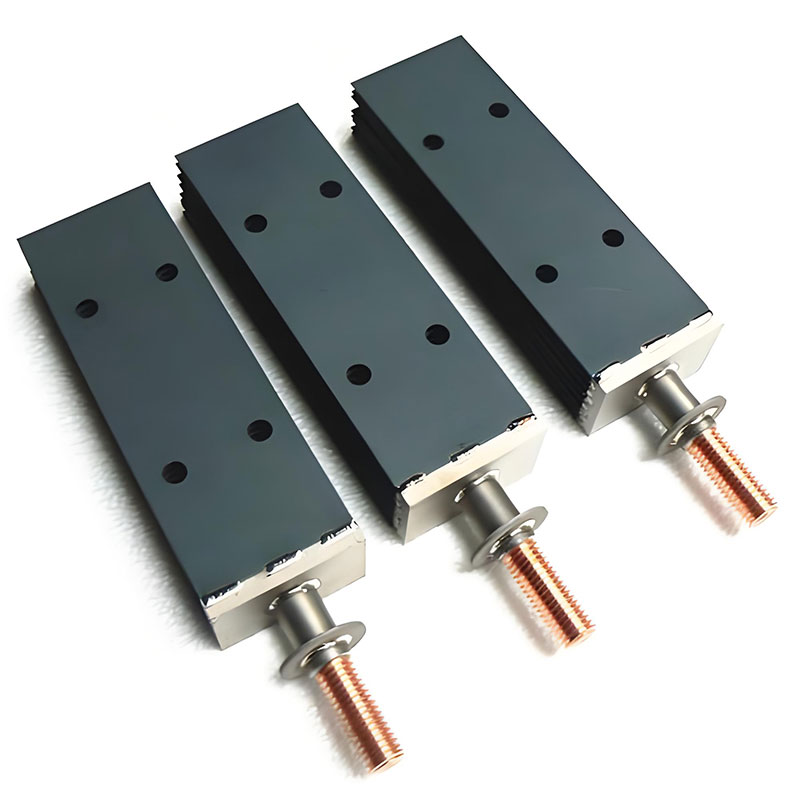
Platinized titanium electrodes offer excellent electrical conductivity and electrochemical catalytic properties, making them widely used in electroplating, surface treatment, and other electrochemical processes. To ensure optimal performance, extend service life, and minimize the risks of substrate corrosion or loss of the platinum layer, it is essential to carefully manage factors such as electrolyte composition, current density, cell voltage, the ratio of anode-to-cathode surface areas, and routine maintenance.
I. Verify Electrolyte Composition Before Use
Before using a platinized titanium electrode, verify the chemical composition of the electrolyte. Specifically, check for the presence of substances that could corrode the titanium substrate or compromise the adhesion of the platinum layer—such as fluoride ions or certain phosphorus-containing compounds.
Under certain conditions, fluoride ions can damage the protective film on the titanium substrate, leading to substrate corrosion and reduced adhesion of the platinum layer, which shortens the electrode's service life. Therefore, if an electrolyte contains fluoride-based additives, specific chromic anhydride compounds, or components of unknown identity, ensure compatibility with the electrode material and coating system before proceeding.
It should be noted that the impact of phosphates and related phosphorus-containing substances depends on their specific chemical form, concentration, temperature, and process conditions; the mere presence of these substances does not automatically imply that the electrode will suffer corrosion. It is recommended to consult the technical documentation provided by the electrode supplier for clarification.
II. Properly Control Current Density and Operating Voltage
Current density and cell voltage are critical parameters that influence the operational status and service life of platinized titanium electrodes.
In some electroplating processes, it is generally advisable to maintain a current density below 50 A/dm² and a cell voltage below 10 V. However, these figures are not universal standards applicable to all platinized titanium electrodes. Actual operating parameters should be determined based on the electrode structure, platinum layer thickness, effective surface area, electrolyte composition, temperature, and equipment specifications—always prioritizing the technical requirements provided by the manufacturer.
Operating the electrode outside of its designed current density or voltage range for extended periods can accelerate localized heating, coating wear, or substrate damage. In severe cases, this may lead to the coating peeling off or localized structural failure. Furthermore, process conditions that could lead to the formation of significant solid deposits on the electrode surfaces should be avoided whenever possible. Should oxide deposition, scaling, or surface passivation occur, the underlying cause must be investigated promptly, and the electrodes should be cleaned and maintained in accordance with process requirements.
III. Ensuring an Appropriate Balance Between Cathode and Anode Effective Areas
When using platinum-titanium (Pt/Ti) electrodes, the effective working areas of the cathode and anode should be properly configured. The "effective anode area" generally refers to the portion of the anode that is actually submerged in the electrolyte and participates in the electrochemical reaction.
If the anode area is insufficient, the local current density may become excessively high, leading to localized overheating of the electrode, accelerated degradation of the coating, or even irreversible damage. Therefore, factors such as the ratio of anode-to-cathode area, inter-electrode spacing, current distribution, and the geometry of the workpiece must be carefully considered during design and installation.
In some processes, a design where the effective anode area exceeds the cathode area may serve as a useful starting point; however, this should not be regarded as an absolute requirement for all electroplating systems. The specific ratio should be determined based on process design, equipment parameters, and actual operating conditions.
IV. Addressing Increases in Cell Voltage Through Inspection and Operational Adjustments
Changes in the state of the plating solution, scaling on electrode surfaces, increased contact resistance, or alterations in the inter-electrode spacing can cause the overall impedance of the electrolytic system to rise, resulting in an increase in cell voltage.
When the cell voltage is significantly higher than the normal operating value, one should not simply increase the current. Instead, the condition of the electrode surfaces, electrical connections, plating solution parameters, and overall equipment status should be inspected first.
If it is determined that the rise in cell voltage is related to the process load, adjustments to the current and processing time may be made, provided that product quality requirements are still met. For instance, where the specific process allows, one might consider reducing the current while extending the processing time accordingly. However, the exact extent of such adjustments should be based on experimental results and process specifications, rather than the rigid application of a fixed ratio.
V. Prompt Cleaning and Proper Storage After Use
Once the use of platinum-titanium electrodes is complete, they should be cleaned promptly—in accordance with the nature of the plating solution and the maintenance guidelines provided by the electrode manufacturer—to remove any residual electrolyte or deposits. This prevents remaining chemical substances from causing ongoing effects on the electrode surfaces. When cleaning, it is recommended to use deionized or purified water suitable for the specific electrode system. Avoid using highly corrosive cleaning agents, hard scraping tools, or unverified cleaning methods that could damage the platinum layer or the titanium substrate.
Once cleaned, the electrodes should be stored properly in accordance with the manufacturer’s requirements. If process conditions permit, remove the electrodes and place them in a clean, appropriate storage environment to prevent any residual liquid on the surface from drying and forming stubborn deposits.
VI. Avoid Prolonged Immersion in Unsuitable Water
When not in use, platinum-titanium electrodes should not be left immersed for long periods in tap water of unknown quality or water prone to forming deposits. Minerals and other impurities in tap water can lead to the formation of scale or deposits on the electrode surface, which may impair future performance.
For electrodes that require temporary decommissioning or long-term storage, follow the product instructions to select the appropriate cleaning method and storage conditions. Additionally, ensure the electrodes do not come into unnecessary contact with other metallic materials, which could lead to contamination.
Regularly inspect the electrode surfaces for signs of coating delamination, substrate corrosion, deformation, or unusual deposits. Early detection of such issues helps mitigate operational risks.
Conclusion
The service life of a platinum-titanium electrode depends not only on its inherent quality but also on factors such as electrolyte composition, operating current, cell voltage, equipment design, and routine maintenance. Standardized operating procedures and regular inspections help enhance operational stability and reduce costs associated with maintenance and replacement.
Used platinum-titanium electrodes—including platinum-coated titanium mesh, titanium plates, and other scrap electrodes containing precious metals—should be evaluated based on the remaining coating, the condition of the substrate, and the overall material composition.
J&F Precious Metal Recycling provides recycling services for industrial clients with precious metal-bearing waste. If you have used platinum-titanium electrodes, iridium-coated titanium plates, ruthenium-iridium-coated titanium mesh, or other precious metal-containing electrode materials that require disposal, please provide details—such as photographs, weight, dimensions, original application, and any available test reports—to facilitate an initial assessment. The final recycling plan and price quote will be determined based on the actual condition of the materials and the results of necessary composition analysis.
