2026-11-13Electrochemical Advanced Oxidation Processes for Advanced In
Industrial wastewater often contains high concentrations of recalcitrant organic pollutants—compounds such as aromatic rings, heterocycles...
Learn more
Environmental Enterprise Focused on Recycling and Reuse

 8613480627251
Inquiry Hotline
8613480627251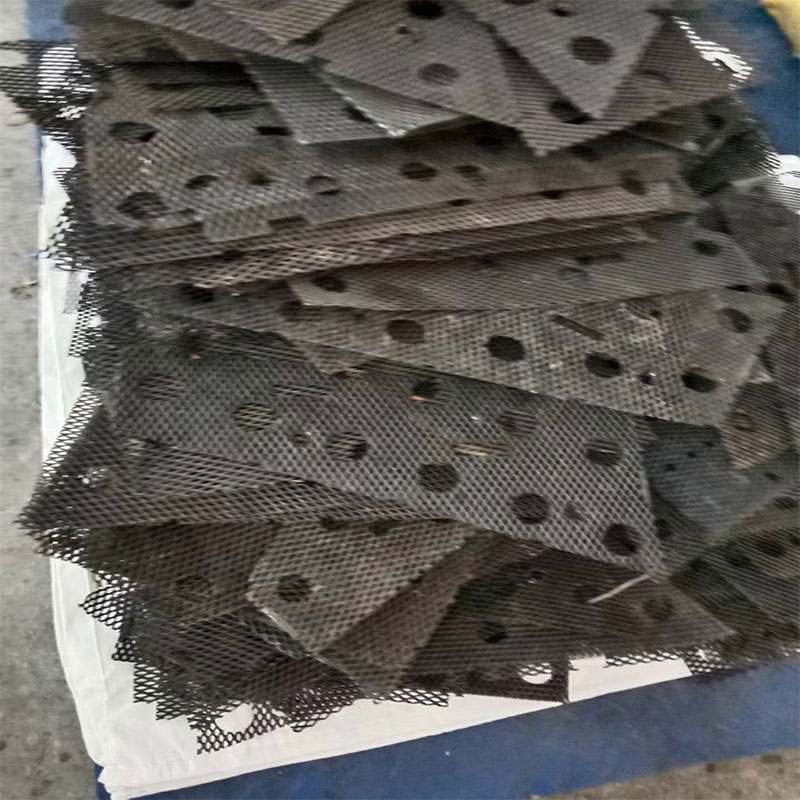
Industrial wastewater often contains high concentrations of recalcitrant organic pollutants—compounds such as aromatic rings, heterocycles...
Learn more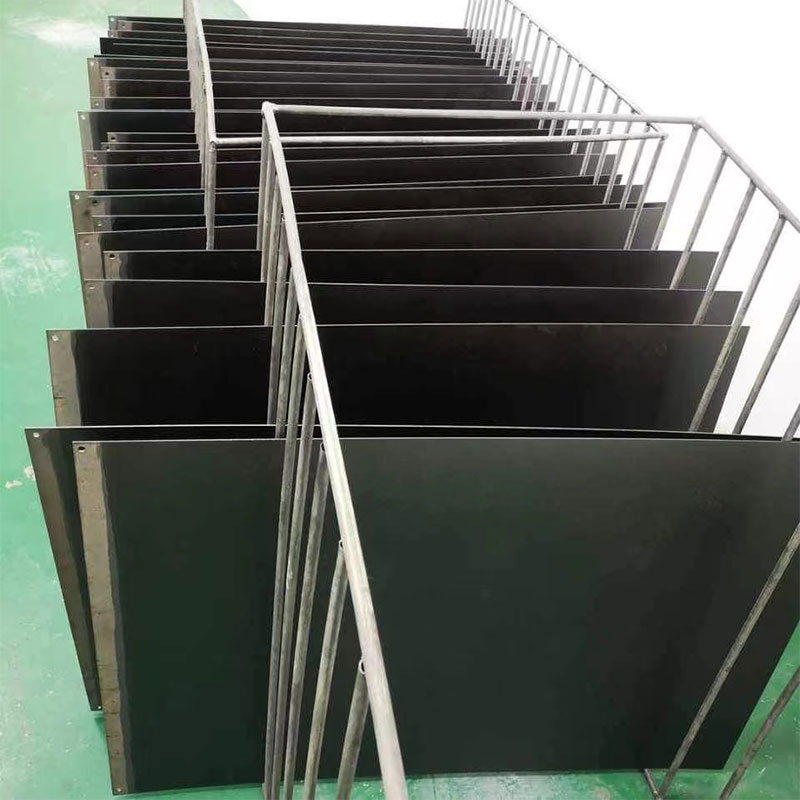
Pharmaceutical wastewater originates from diverse sources and typically contains high concentrations of organic matter, including aromatic compounds, heterocycli...
Learn more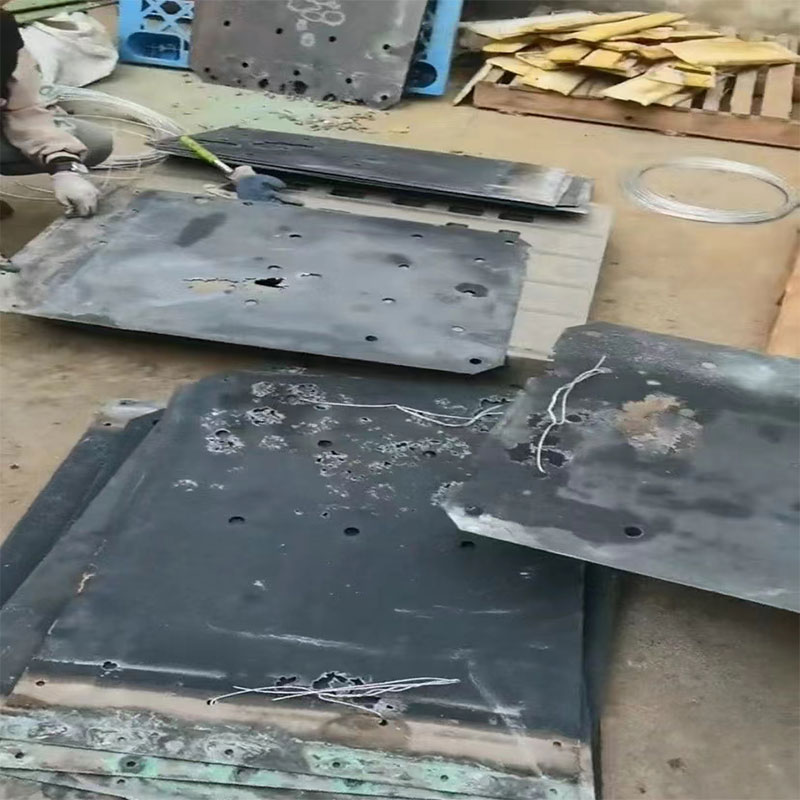
Printing and dyeing wastewater—characterized by high chromaticity, high salinity, significant fluctuations in water quality, and poor biodegradability...
Learn more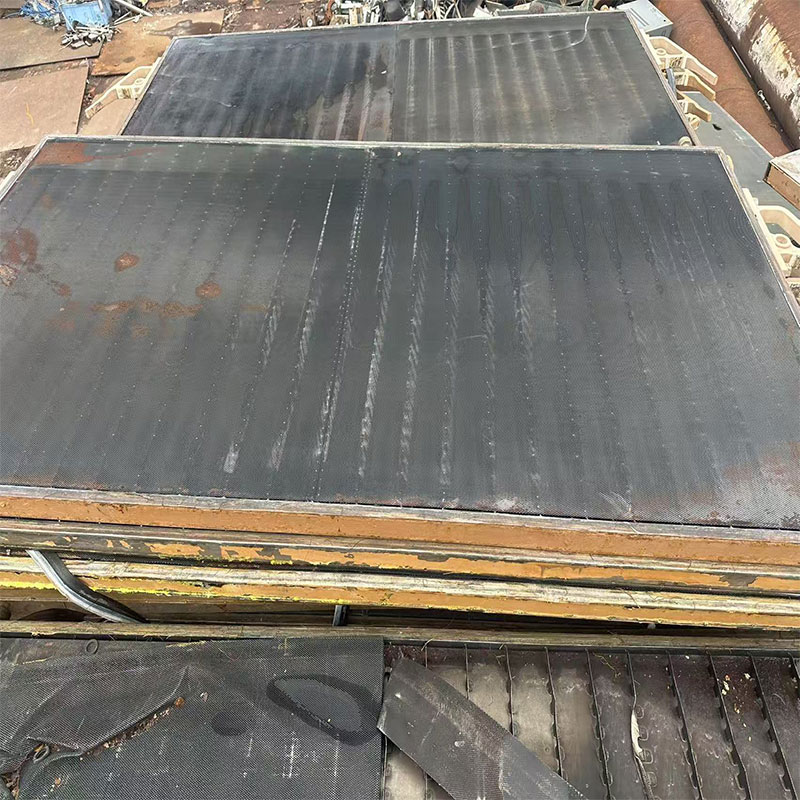
Wastewater generated during machining processes—specifically from cutting fluids—typically contains emulsified oils, surfactants, suspended solids, and certa...
Learn more
Industrial circulating cooling water is widely used in sectors such as manufacturing, power generation, chemical processing, and commercial building infrastructu...
Learn more
As environmental requirements for the global shipping industry continue to rise, the standardized treatment of ship ballast water has become a critical concern f...
Learn more
In the chlor-alkali industry, ion-exchange membrane electrolysis has become the dominant production process, widely used for the manufacture of caustic soda...
Learn moreAs the scale of industrial production continues to expand, the treatment of industrial wastewater containing recalcitrant organic compounds faces increasingly st...
Learn more
Bipolar plates are core structural components in proton exchange membrane (PEM) electrolyzers, serving multiple functions such as conducting electrical current...
Learn moreTitanium anodes are essential electrode materials in brine electrolysis and the chlor-alkali industry. They typically consist of a titanium substrate coated with...
Learn more