2026-11-05Application of Titanium Electrodes in Saline-Chlorinated Sys
In the field of industrial wastewater treatment, effluent from sectors such as textile printing and dyeing, pharmaceuticals, and fine chemicals often contains hi...
Learn more
Environmental Enterprise Focused on Recycling and Reuse

 8613480627251
Inquiry Hotline
8613480627251
In the field of industrial wastewater treatment, effluent from sectors such as textile printing and dyeing, pharmaceuticals, and fine chemicals often contains hi...
Learn more
In the electronics manufacturing industry, the production of printed circuit boards (PCBs) generates significant volumes of copper-bearing etching waste....
Learn more
In electrolytic disinfection equipment and various water treatment systems, the performance of electrode materials directly determines both electrolysis efficien...
Learn more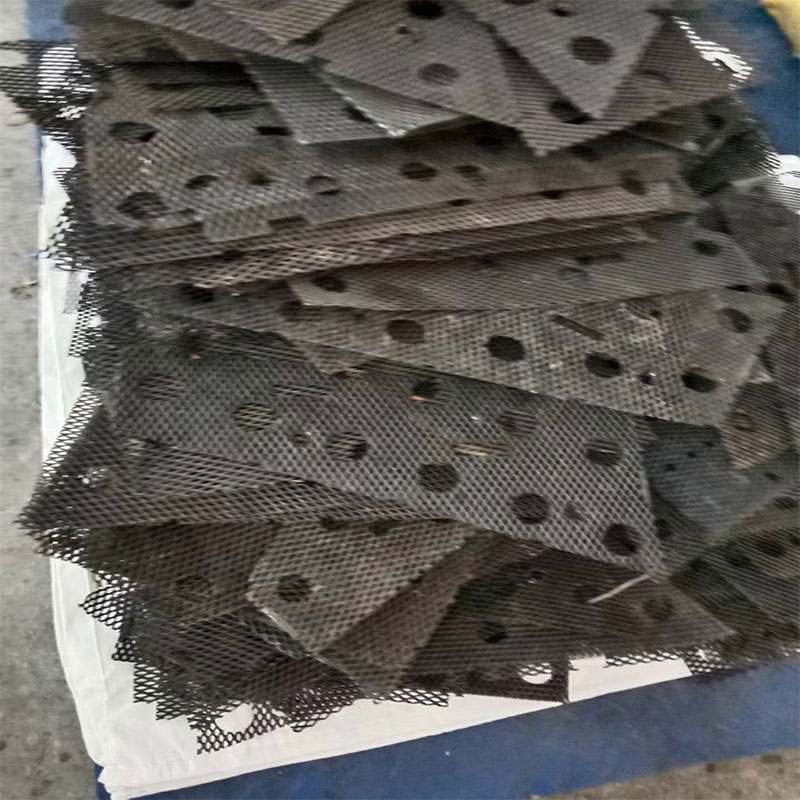
As of November 2026, the recycling value of MMO (Mixed Metal Oxide) titanium anodes is significantly higher than that of ordinary titanium scrap....
Learn more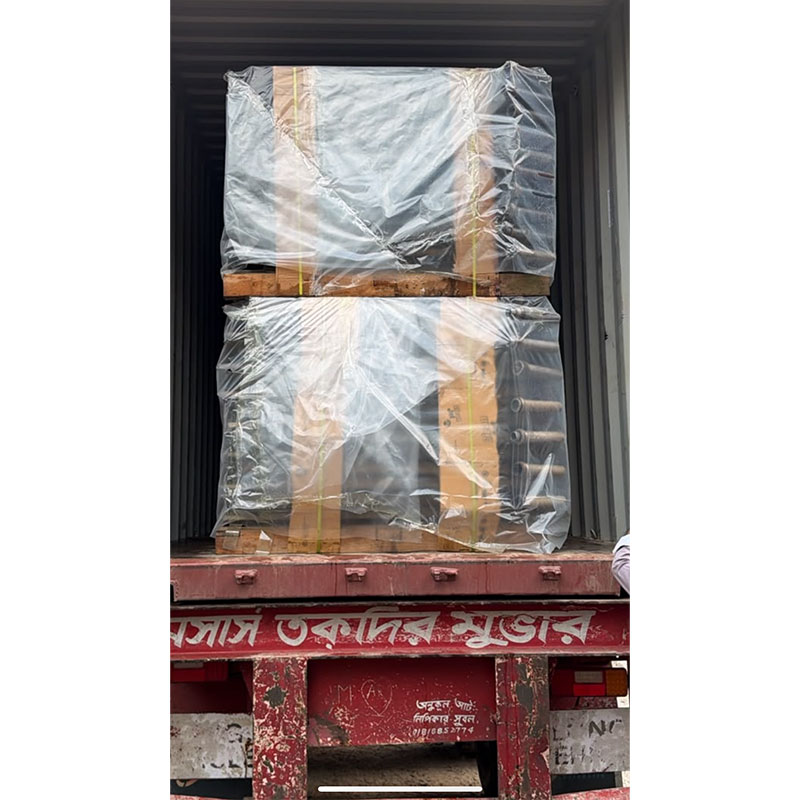
The recovery value of an MMO (Mixed Metal Oxide) titanium anode is primarily determined by the effective content of precious metals...
Learn moreIn the electrolysis disinfection system, the titanium anode is the core component that determines the electrolysis efficiency and ensures the stable operation of...
Learn morePEM (Proton Exchange Membrane) water electrolysis is an electrochemical technology that uses electrical energy to split water into hydrogen and oxygen. ...
Learn more
Ammonia-nitrogen is a common pollutant in industrial and domestic wastewater, existing primarily as free ammonia (NH₃) and ammonium ions (NH₄⁺)....
Learn more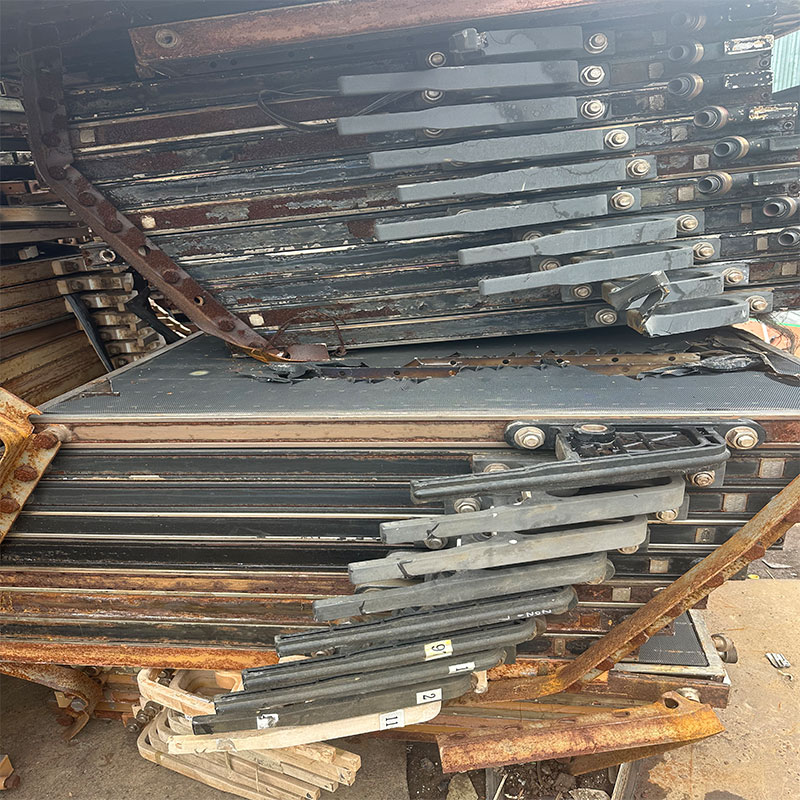
A titanium anode is an electrochemical electrode material consisting of a titanium substrate covered with a functional metal oxide coating. ...
Learn more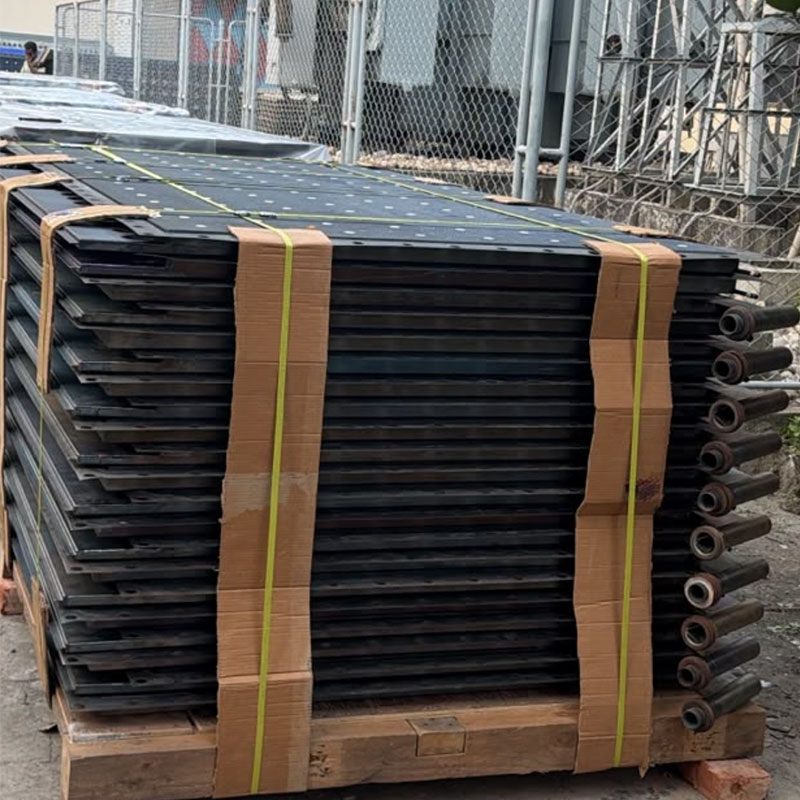
When the titanium substrate is intact, it can be recoated with regenerated anodes, and precious metals can be enriched and purified for reuse....
Learn more