

 8613480627251
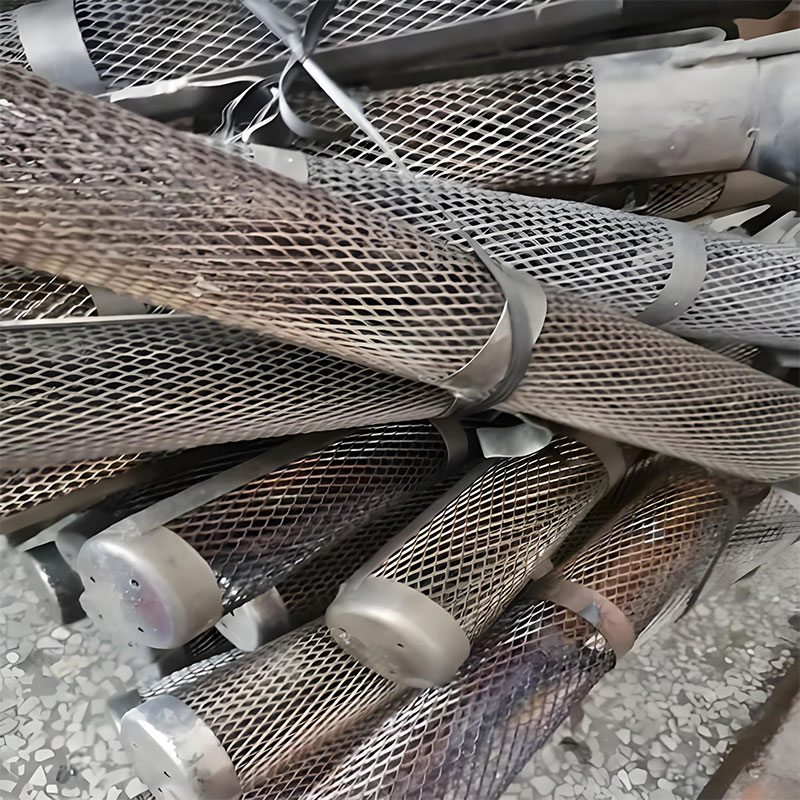
Titanium scrap recycling involves the collection of titanium offcuts, shavings, defective parts, and decommissioned equipment—generated during industrial processing—and their conversion back into raw materials suitable for industrial production. For companies holding such scrap, this is far more than a simple "sale of waste"; it is an efficient strategy to revitalize idle inventory and reactivate dormant titanium assets.
The Core Reasons for the Sustained Value of Titanium Scrap
The long-term price stability of titanium scrap stems from the high intrinsic value of virgin titanium, its limited global production, and the extreme technical difficulty involved in its entire processing chain. Thanks to its high strength, low density, and exceptional corrosion resistance, titanium is widely used in critical sectors such as aerospace, healthcare, and chemical engineering. While producing virgin titanium from ore requires multiple energy-intensive stages, recycled titanium scrap can re-enter the production chain simply through remelting and reprocessing. The resulting significant cost advantage is the fundamental driver behind the consistently stable demand for titanium scrap.
Key Industries Generating Titanium Scrap
Titanium scrap is primarily generated in sectors such as aerospace, chemical equipment manufacturing, medical device production, and shipbuilding. During machining, forging, welding, or the decommissioning and replacement of equipment, these industries produce various forms of scrap, including titanium plate offcuts, bar ends, pipe segments, flanges, wire, and shavings. Decommissioned large-scale equipment—such as titanium heat exchangers and reaction vessels—as well as defective products and process residues, also hold significant recycling value. The specific source and physical form of the titanium scrap dictate the subsequent processing methods and potential reuse applications.
Classification and Grading Determine Recycling Value
The classification and grading of titanium scrap are the primary factors influencing both its market price and its future utility. Pure titanium scrap is categorized by grade (e.g., TA1, TA2), while titanium alloys are commonly classified by grades such as TC4, TA9, and TA10. Furthermore, scrap is categorized by its physical form, including solids (blocks), shavings, plates, and pipes. Titanium scrap with clearly identified grades, uniform composition, and low impurity levels commands a higher recovery price. Conversely, scrap mixed with other materials, contaminated with oil, or featuring surface coatings requires sorting and cleaning, which leads to a lower recovery price. By properly sorting and organizing titanium scrap before sale, enterprises can often significantly increase the final transaction price and ensure that the recycler’s offer is both accurate and transparent.
Standard Procedures of Professional Recyclers
Reputable titanium scrap recyclers follow a clear, standardized process: from initial consultation and price quoting to on-site inspection, weighing, grading based on quality, immediate settlement, and dedicated transport. Professional staff use spectrometers to analyze the composition of the titanium on-site, providing a precise quote based on the current market rate for the specific grade and weight. Once both parties reach an agreement, the transaction is settled—with no need for the client to arrange transportation. A more transparent process minimizes the likelihood of disputes between the supplier and the buyer.
Three Key Criteria for Selecting a Recycler
When choosing a partner for titanium scrap recycling, enterprises can mitigate most risks by evaluating three core dimensions:
Regulatory Compliance: Recyclers with full operational licenses and environmental permits can provide formal transaction documentation, helping enterprises avoid risks related to taxation and solid waste disposal.
Transparent Pricing: Recyclers that base their quotes strictly on current market rates, offer on-site composition analysis, and clearly explain their criteria for impurity deductions are more trustworthy.
Reliable Settlement: Recyclers that provide immediate payment—without delays or extended payment terms—save enterprises the costs associated with repeated price comparisons and the effort of chasing down outstanding payments.
Tangible Benefits of Titanium Scrap Recycling
The value of recycling titanium scrap extends far beyond simply converting waste into cash. Accumulated scrap occupies valuable storage space and requires personnel for oversight and periodic inventory checks. Recycling not only frees up space and recovers capital but also results in a tidier workshop environment; the recovered funds can then be reinvested into production for new orders. For many small and medium-sized enterprises, this represents "dormant capital" that has long been overlooked, while also significantly reducing the workload involved in warehouse management. The Environmental and Strategic Resource Value of Recycling
From the perspectives of environmental protection and strategic resource management, the long-term value of titanium scrap recycling is particularly significant. Titanium is a metal of national strategic importance; the smelting of primary titanium is highly energy-intensive and generates substantial carbon emissions. Recycling one ton of titanium scrap not only alleviates the environmental burden associated with mining and smelting, but also significantly reduces the pressure on enterprises to manage and dispose of solid waste.
The Industry Is Rapidly Moving Toward Standardization
The titanium scrap recycling sector is currently undergoing a transformation toward greater standardization, transparency, and scale. An increasing number of manufacturing enterprises are establishing internal scrap inventory records, requiring recyclers to provide documentation such as weight slips, chemical composition analysis reports, and transaction settlement vouchers. On the recycling side, companies are continuously upgrading their testing and sorting processes to improve titanium recovery rates. As industry transparency grows, intermediaries who previously relied on information asymmetry to drive down prices and profit from the spread are being gradually phased out by the market.
Conclusion: The Sooner Idle Titanium Resources Are Processed, the Greater the Returns
For enterprises holding titanium scrap, the most pragmatic approach is to engage with a professional, compliant recycling firm as soon as possible. Idle titanium resources do not generate value on their own; long-term storage merely consumes space, increases management costs, and risks devaluation due to oxidation from improper handling. By selecting a compliant recycling partner, you can ensure a streamlined process—clearing out the material, receiving immediate payment, and effectively "revitalizing" your otherwise dormant titanium assets.
If you have titanium offcuts, shavings, or obsolete titanium equipment that needs to be processed, please leave a message in the comments section or send us a private message with details about the material. We will respond promptly, offering a comprehensive service that includes on-site inspection, chemical composition analysis, transparent, face-to-face pricing, and immediate cash settlement.
