

 8613480627251
Titanium anodes generally refer to electrode materials consisting of a titanium substrate coated with noble metal oxides or other functional coatings. Among these, titanium-based mixed metal oxide (MMO) coated anodes—often referred to as Dimensionally Stable Anodes (DSA)—are a common type used in industrial electrolysis.
These electrodes utilize a titanium substrate, with surface coatings that provide excellent electrocatalytic activity, electrical conductivity, and corrosion resistance. Compared to traditional graphite anodes or certain soluble metal anodes, titanium-based coated anodes offer advantages such as dimensional stability, a longer service life, and lower maintenance requirements. They are widely used in applications including electrolytic chlorine production, water treatment, electroplating, the chemical industry, and other electrochemical sectors.
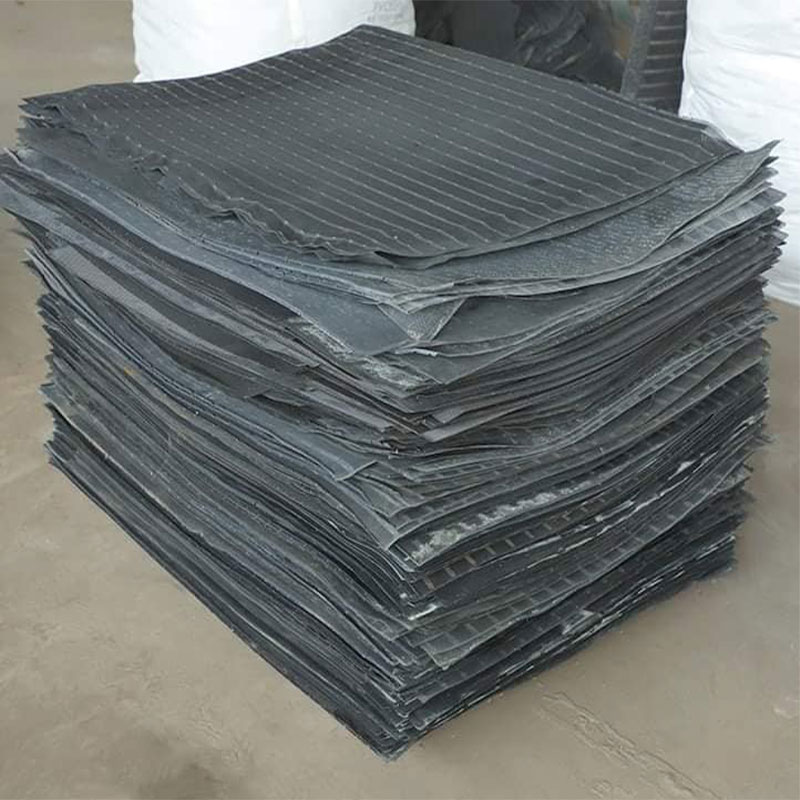
I. Main Classifications of Titanium Anodes
Based on their electrochemical reaction characteristics and surface coating systems, titanium anodes can be categorized into types such as chlorine-evolving anodes, oxygen-evolving anodes, and platinum-plated titanium anodes. The suitability of a specific electrode depends on factors such as the coating composition, electrolyte makeup, operating current density, and specific operating conditions.
1. Chlorine-Evolving Titanium Anodes
Common type: Ruthenium-based coated titanium anodes
Chlorine-evolving titanium anodes typically consist of a titanium substrate coated with a layer of noble metal oxides—primarily ruthenium oxide—which serves as the active component. These anodes exhibit high catalytic activity for chlorine evolution.
Primary applications:
- Chlor-alkali industry and brine electrolysis
- Sodium hypochlorite generation equipment
- Seawater electrolysis systems for chlorine production
- Industrial electrolytic processes involving high concentrations of chloride ions
These electrodes are designed for electrochemical systems that require the promotion of chlorine gas evolution or related chlorine-containing oxidation reactions. The specific coating formulation should be selected based on the electrolyte composition and the intended reaction objectives. 2. Oxygen-Evolving Titanium Anodes
Common Type: Iridium-based Coated Titanium Anodes
Oxygen-evolving titanium anodes typically feature a coating of iridium oxide or a mixed metal oxide with iridium oxide as the primary active component. These anodes exhibit excellent catalytic performance for oxygen evolution and are suitable for various acidic electrolysis processes and other compatible electrochemical environments.
Primary Applications:
- Electrolysis processes in sulfuric acid-based systems
- Electrochemical oxidation equipment
- Certain water electrolysis and industrial electrolysis systems
- Electrochemical equipment with specific requirements for oxygen-evolution performance
Iridium-based coatings are generally used in applications requiring high oxygen-evolution activity. The specific selection should be evaluated based on factors such as acidity, temperature, current density, and the composition of other media.
3. Platinum-Plated Titanium Anodes
Common Types: Platinum-plated titanium mesh, platinum-plated titanium plates
Platinum-plated titanium anodes consist of a titanium substrate with a platinum layer applied via electroplating or another suitable process. The platinum layer offers excellent electrical conductivity and electrochemical activity, making it suitable for specific electrolysis and electrochemical treatment applications.
Key Features:
- The platinum layer provides superior electrical conductivity and electrochemical performance.
- Can be fabricated into various structures, such as mesh or plates, to meet equipment requirements.
- The thickness of the platinum layer can be customized based on operational needs.
Common Applications: Certain electroplating equipment, specialized electrolysis devices, and other industrial systems that require electrodes with a platinum surface.
The thickness of the platinum layer on these anodes is determined by design specifications; some products feature a coating thickness of approximately 1–5 μm, though this is not a universal standard. Common mesh specifications for platinum-plated titanium include 12.7 × 4.5 mm, 6 × 3 mm, etc.; actual dimensions should be verified against product drawings and manufacturing requirements.
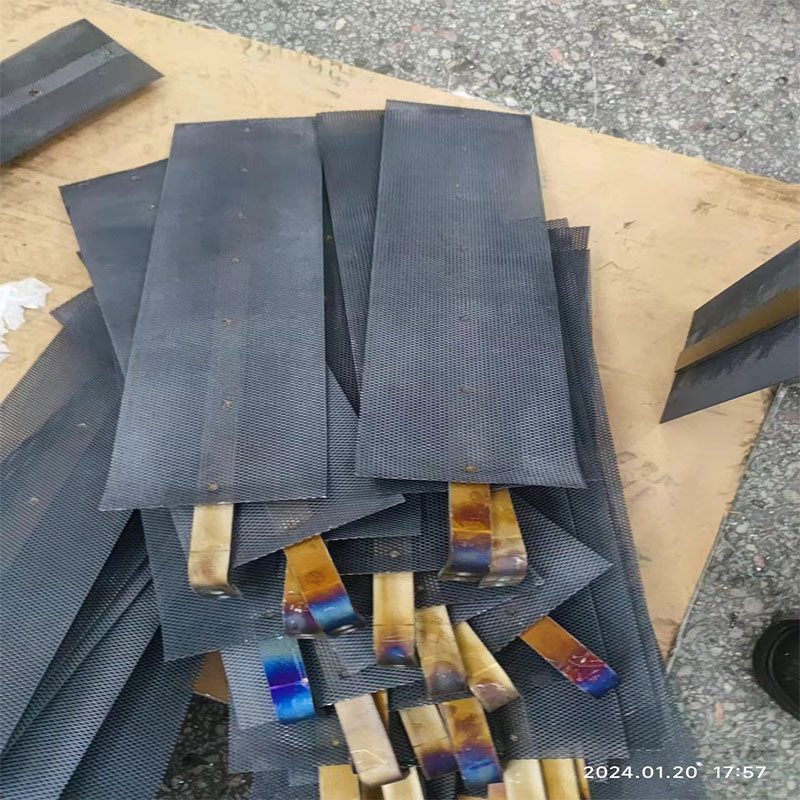
II. Common Substrates and Structures of Titanium Anodes
Depending on the equipment structure and intended application, titanium anodes can be fabricated in various forms:
- Titanium Mesh Anodes: These offer a large effective surface area and are frequently used in electrolytic chlorine production, water treatment, and certain industrial electrolysis systems. - Titanium plate anodes: Feature a stable structure; suitable for electroplating, electrolytic cells, and related industrial equipment.
- Tubular titanium anodes: Designed for specific spatial layouts and tubular electrode systems.
- Custom-shaped titanium anodes: Dimensions, geometry, and connection methods can be tailored to specific equipment requirements.
When selecting an anode, in addition to the substrate material and structure, one should also consider the coating system, coating loading, operating current density, electrolyte conditions, and expected service life.
III. Conclusion
Titanium anodes are essential functional materials in modern industrial electrochemical equipment. Chlorine-evolving, oxygen-evolving, and platinum-plated titanium anodes each possess distinct characteristics in terms of coating composition, catalytic performance, and suitable operating conditions.
Selecting the appropriate titanium substrate, coating system, and electrode structure helps improve electrolysis efficiency, extend the service life of the electrodes, and reduce equipment maintenance costs. Industrial users should base their selection on specific process conditions rather than judging electrode performance solely by the name of the coating or its appearance.
