

 8613480627251
Electrode materials are a critical component in aqueous electrolysis and other electrochemical industries. Their electrical conductivity, corrosion resistance, mechanical strength, and service life directly influence electrolysis efficiency, production costs, and the operational stability of equipment.
In traditional aqueous electrolysis, representative electrode materials include coated titanium anodes, graphite electrodes, lead-based alloy electrodes, and platinum electrodes. Additionally, active metal electrodes—such as those made of magnesium, aluminum, zinc, iron, or lithium—play a significant role in the field of organic electrochemical synthesis. Each material possesses distinct properties, necessitating careful selection based on the composition of the electrolyte, the type of reaction, and specific process requirements.
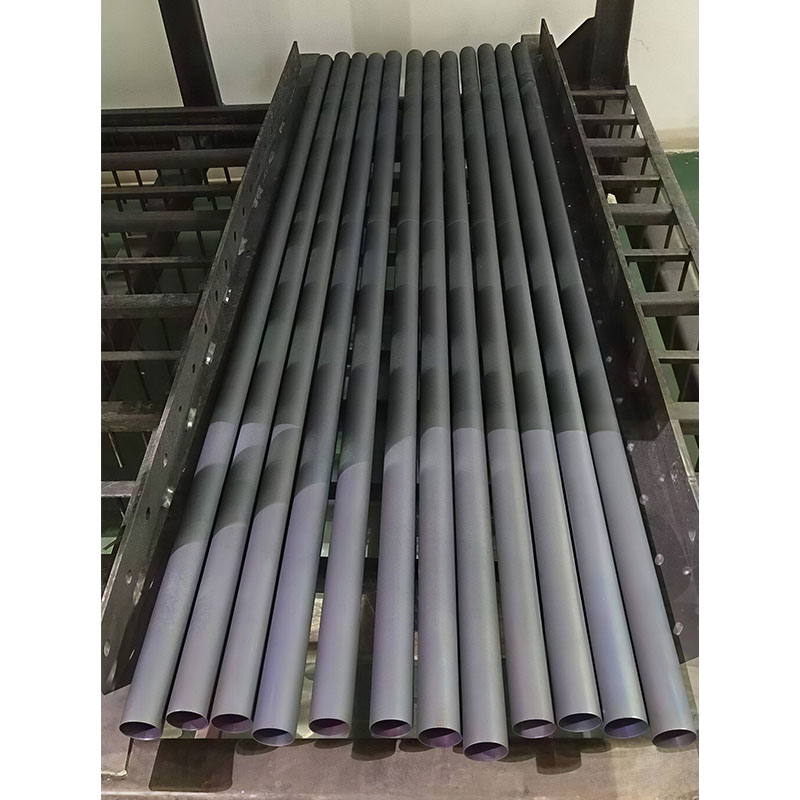
I. Graphite Electrodes
Graphite and carbon electrodes are among the earliest and most widely used electrode materials in the electrolysis industry. They can function as either anodes or cathodes and are extensively employed in chemical manufacturing, electrometallurgy, and various electrochemical processing operations.
1. Key Characteristics of Graphite Electrodes
Graphite products are typically manufactured through processes such as forming and baking; consequently, some products contain a certain degree of porosity. Factors such as raw material composition, production techniques, and product grade influence the porosity, electrical resistivity, and mechanical strength of these materials.
Graphite and carbon materials exhibit the following characteristics:
- Good electrical conductivity: Capable of meeting the conductivity requirements of many industrial electrolysis processes.
- Good thermal conductivity: Facilitates heat transfer during electrode operation.
- Good machinability: Can be fabricated into various shapes and dimensions to suit specific equipment requirements.
- Relatively low cost: Offers an economic advantage under appropriate operating conditions.
- Moderate corrosion resistance: Maintains good chemical stability in many conventional electrolytes.
However, the corrosion resistance of graphite is not universal. In strongly oxidizing environments, or when serving as an anode in specific electrochemical reactions, graphite may undergo oxidative degradation.
2. Major Disadvantages of Graphite Electrodes
When used as anodes—particularly in certain acidic electrolytic environments—graphite electrodes can undergo electrochemical oxidation, producing carbon monoxide or carbon dioxide, which leads to the gradual consumption of the electrode. Furthermore, these electrodes may suffer from surface spalling, structural loosening, and mechanical wear.
Key drawbacks include:
- Relatively limited mechanical strength, making them susceptible to damage from impact.
- A porous structure that may compromise operational stability under certain conditions.
- Susceptibility to oxidative loss during anodic operation.
- The potential need for replacement after long-term use, increasing maintenance costs.
- Electrode consumption and the associated downtime for replacements can disrupt production continuity.
Consequently, graphite electrodes are best suited for applications where material costs are a primary concern and the electrolytic environment is well-aligned with the material's performance characteristics.
II. Lead and Lead-Alloy Electrodes
Lead and lead-alloy electrodes have historically been widely used—primarily as insoluble anodes—in sulfuric acid, sulfate solutions, and various other electrolytic media.
1. Operational Characteristics of Lead-Based Electrodes
In specific sulfate-based systems, lead can form a surface layer that provides a degree of protection, making it useful for certain electrolytic processes. The mechanical and electrochemical properties of these electrodes can also be improved to some extent by incorporating other alloying elements.
Key features of lead-based electrodes include:
- Suitability for use in specific sulfuric acid and sulfate-based media.
- Applicability in certain traditional electrolytic industries.
- A well-established manufacturing process and a long history of industrial use.
2. Major Disadvantages of Lead-Based Electrodes
Compared to some modern coated titanium anodes, traditional lead-based electrodes have several limitations:
- High weight: This increases the complexity of equipment support, installation, and maintenance.
- Limited mechanical properties: Some lead-based materials possess low strength, which can lead to deformation during long-term operation.
- Potential impact on electrolytic efficiency: Electrode deformation, poor electrical contact, or unsuitable operating conditions can result in uneven current distribution. - Environmental risks: Lead is a toxic heavy metal; therefore, strict pollution control measures are required throughout the manufacturing, usage, maintenance, and disposal phases of lead-based electrodes.
Consequently, when selecting lead-based electrodes, it is essential to conduct a comprehensive assessment that considers the electrolysis process, equipment design, environmental regulations, and the total life-cycle cost.
III. Reactive Metal Electrodes
Reactive metal electrodes are primarily used in the field of organic electrochemical synthesis. Unlike inert electrodes—which function mainly to conduct electricity or provide catalytic sites—these electrodes not only facilitate electron transfer but may also participate directly in chemical reactions.
Common materials include active metals such as magnesium, aluminum, zinc, iron, and lithium.
1. Operational Characteristics of Reactive Metal Electrodes
In specific electrochemical synthesis processes, active metals can act as electron donors, participating in the reduction or other transformation processes of reactants, often forming reactive intermediate species.
This approach integrates electrochemical reactions with traditional chemical synthesis, offering several advantages for certain organic synthesis pathways:
- Simplification of reaction steps: Electrochemical routes can enable reactions that are otherwise difficult to achieve via conventional methods.
- Improved reaction selectivity: Precise control over potential, current, and reaction conditions allows for the modulation of reaction pathways.
- Reduced reliance on certain chemical reagents: In applicable processes, the need for conventional reducing agents or other chemical reagents can be minimized.
- Simplified equipment design: Some processes can be conducted in single-compartment electrolytic cells, eliminating the need for a separator or membrane.
2. Applications and Limitations of Reactive Metal Electrodes
Reactive metal electrodes can be employed in the reduction, coupling, and other electrochemical synthesis reactions of various organic compounds. However, the specific outcome of a reaction depends heavily on the type of metal used, the solvent, the electrolyte, the reaction substrate, and the operating conditions.
Key limitations include:
- The electrodes are consumed during the process and require continuous replenishment or replacement.
- Due to their high reactivity, some of these metals are sensitive to moisture, oxygen, or the specific operating environment.
- The reaction process may generate by-products, necessitating the optimization of process parameters.
- The consumption of electrode material and the costs associated with post-reaction processing can impact the overall economic viability. Therefore, reactive metal electrodes are better suited for specific organic electrochemical synthesis processes that require the metal to participate directly in the reaction, rather than serving as a universal alternative for all electrolytic systems.
IV. Coated Titanium Anodes
Coated titanium anodes are a vital electrode material in modern industrial electrolysis. Typically consisting of a titanium substrate coated with oxides of noble metals—such as ruthenium or iridium—they form a functional layer with specific electrocatalytic properties. These are also commonly referred to as Dimensionally Stable Anodes (DSA).
Depending on the coating composition and the requirements of the reaction, coated titanium anodes can be designed for chlorine evolution, oxygen evolution, or other specialized applications.
1. Key Advantages of Coated Titanium Anodes
- Excellent substrate corrosion resistance: Titanium exhibits strong resistance to corrosion in many applicable media.
- Superior electrocatalytic performance: The coating formulation can be adjusted to meet the requirements of various electrochemical reactions.
- High dimensional stability: Under appropriate operating conditions, the titanium substrate does not undergo the continuous, significant dissolution characteristic of soluble anodes.
- Long service life: Proper selection and maintenance help extend the operational lifespan of the electrodes.
- Relatively convenient maintenance: Depending on the condition of the substrate and the extent of coating wear, electrodes can be inspected, repaired, or recoated.

2. Primary Applications of Coated Titanium Anodes
Coated titanium anodes are widely used in the chlor-alkali industry, electrolytic chlorine production, sodium hypochlorite generation, industrial water treatment, electroplating, metal foil manufacturing, and certain organic electrochemical synthesis processes.
Compared to traditional graphite or lead-based electrodes, coated titanium anodes can—in many suitable applications—reduce electrode consumption, enhance the efficiency of electrochemical reactions, and improve the operational stability of the equipment.
However, the performance of coated titanium anodes is highly dependent on the specific coating formulation and operating conditions. Factors such as coating wear, the loss of active components, or improper operating conditions can negatively impact their service life. Furthermore, their initial procurement cost is generally higher than that of standard graphite electrodes. V. How to Select Suitable Electrode Materials?
When selecting electrodes for industrial electrolytic equipment, the following factors should be prioritized:
1. Electrolyte composition: This includes pH levels, chloride ion concentration, oxidizing properties, and other chemical constituents.
2. Type of electrochemical reaction: It is essential to determine whether the target reaction involves chlorine evolution, oxygen evolution, metal deposition, or the conversion of organic compounds.
3. Operating parameters: These include current density, temperature, potential, and duration of operation.
4. Mechanical requirements: Considerations include electrode dimensions, mounting methods, structural integrity, and fluid dynamics.
5. Total life-cycle cost: A comprehensive assessment should account for procurement costs, power consumption, electrode wear, maintenance frequency, and replacement costs.
6. Environmental and safety requirements: Particular attention must be paid to pollution control—especially regarding lead-containing materials—as well as the safe storage and handling of reactive metal electrodes.
Conclusion
Coated titanium anodes, graphite electrodes, lead-based alloy electrodes, and platinum electrodes each have their own specific range of applications, while reactive metal electrodes play a unique role in certain types of organic electrochemical synthesis.
