

 8613480627251

 Global Hotline
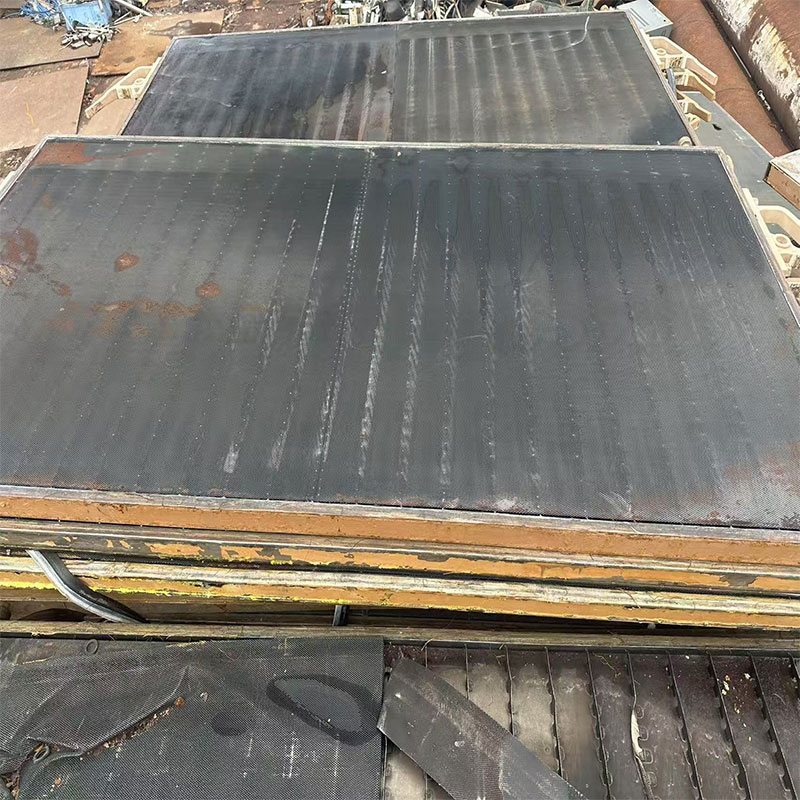
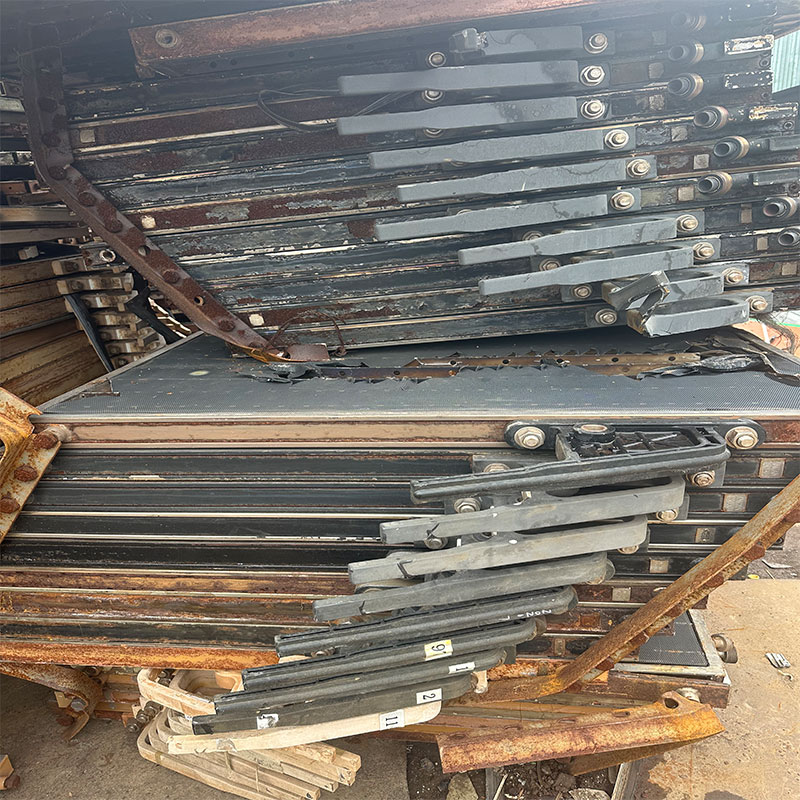
Titanium Anode Scrap Recycling | MMO & DSA Titanium Anode Scrap Buyer
Professional Titanium Anode Scrap Recycling Services
J&F Precious Metal Trading Co., Ltd. specializes in sourcing and recycling titanium anode scrap, used titanium electrodes, MMO/DSA anodes, titanium mesh, titanium plates, and other precious metal-bearing industrial materials.
Titanium anodes are widely used in electrochemical processes because of their corrosion resistance, mechanical strength, and suitability for demanding industrial environments. Many dimensionally worn, damaged, decommissioned, or replaced anodes still contain valuable titanium substrates and, depending on their coating, precious metals such as iridium and ruthenium.
At J&F, we help industrial companies recover value from eligible titanium anode scrap through material identification, collection coordination, and recycling solutions tailored to the type and condition of the material.
1. Where Does Titanium Anode Scrap Come From?
Titanium anode scrap is generated throughout the lifecycle of industrial electrochemical equipment. Common sources include:
Used and Decommissioned Anodes
Titanium anodes may be removed during routine maintenance, electrode replacement, equipment upgrades, or the shutdown of industrial production lines. These used electrodes can become a source of recyclable titanium and potentially valuable coating materials.
Damaged or Worn Titanium Electrodes
Anodes with damaged coatings, worn surfaces, bent mesh, cracked substrates, or other physical defects may no longer meet operating requirements. Depending on their composition and condition, these materials may be suitable for recycling.
Manufacturing Offcuts and Production Scrap
Titanium mesh offcuts, titanium plate remnants, rejected electrode components, and other manufacturing residues may arise during electrode fabrication, cutting, coating, and assembly.
Industrial Equipment Maintenance and Plant Upgrades
When electrolysis systems, wastewater treatment facilities, or chemical processing equipment are upgraded, replaced, or dismantled, used titanium anodes and coated electrode components may enter the industrial scrap stream.
Surplus and Unused Electrode Materials
Unused, obsolete, or surplus titanium electrodes and coated components may also be considered for recycling, subject to material verification and ownership confirmation.
2. Which Industries Generate Titanium Anode Scrap?
Chlor-Alkali and Chemical Processing
Titanium-based dimensionally stable anodes (DSA) and coated electrodes are used in selected electrochemical processes within the chlor-alkali and chemical industries. Maintenance, electrode replacement, and equipment refurbishment can generate used titanium anode scrap.
Electroplating and Metal Surface Treatment
Certain electroplating and surface-treatment systems use coated titanium electrodes and other specialized anode components. Replaced electrodes, titanium mesh, and plate offcuts may be available for recycling.
Industrial Wastewater Treatment
Electrochemical wastewater treatment systems may use titanium-based coated electrodes for selected treatment processes. Used or damaged electrode assemblies can become a source of recyclable material when removed from service.
Seawater Desalination and Water Treatment
Some water treatment and desalination-related systems use titanium-based electrodes in electrochemical applications. Maintenance and equipment upgrades may generate titanium electrode scrap, depending on the system design.
Metal Recovery and Hydrometallurgy
Selected electrochemical metal recovery and refining operations use coated titanium electrodes. Replaced anodes and manufacturing residues may contain titanium substrates and, in some cases, valuable coating metals.
Electrowinning and Other Electrochemical Industries
Industrial electrolysis, electrowinning, and related processes may use titanium-based electrode components where suitable for the operating conditions. Scrap availability depends on the process, electrode design, and material specification.
3. What Types of Titanium Anode Scrap Do We Recycle?
J&F is interested in a range of titanium-based electrode scrap and related industrial materials, including:
-
MMO titanium anode scrap
-
DSA titanium anodes
-
Iridium-coated titanium anodes
-
Ruthenium-iridium coated titanium mesh
-
Iridium-tantalum coated titanium electrodes
-
Platinum-coated titanium anodes and mesh
-
Used titanium mesh electrodes
-
Titanium anode plates and plate offcuts
-
Used titanium electrode assemblies
-
Damaged, obsolete, or decommissioned coated titanium electrodes
-
Other titanium-based materials containing recoverable precious metals
Acceptance depends on the actual material composition, coating system, quantity, condition, and applicable transportation and environmental requirements.
4. Why Is Titanium Anode Scrap Recycling Important?
Recovering Valuable Metals
Some titanium anodes use coatings containing platinum-group metals, including iridium, ruthenium, platinum, or other specialized coating materials. Recycling suitable scrap can help recover these valuable metals for further processing.
The recoverable metal content varies considerably by coating formulation, coating loading, service history, and remaining coating condition. Visual appearance alone cannot establish precious metal content or determine the final recycling value.
Improving Resource Efficiency
Titanium and platinum-group metals are valuable industrial resources. Recycling eligible electrode scrap helps return recoverable materials to the supply chain and reduces the loss of useful resources in industrial waste streams.
Supporting Responsible Industrial Waste Management
Properly identifying and directing used electrodes to suitable recycling channels can help industrial operators manage obsolete materials more effectively. Coated electrodes should be assessed according to their composition and contamination status before recycling or disposal.
Creating Value from Decommissioned Equipment
Used anodes are not necessarily worthless when removed from service. Depending on the remaining coating, substrate condition, and material grade, some electrode scrap may have recoverable value. A professional material assessment can help businesses determine an appropriate recycling route.
5. Our Titanium Anode Scrap Recycling Services
At J&F Precious Metal Trading Co., Ltd., we work with industrial suppliers, manufacturers, maintenance contractors, and material holders seeking recycling solutions for titanium anode scrap and precious metal-bearing industrial waste.
Material Assessment
We review available photos, videos, technical specifications, coating information, and material descriptions to determine whether a lot is suitable for further evaluation.
Multiple Material Categories
In addition to titanium anode scrap, we are interested in titanium mesh, titanium plates, nickel-based superalloys, precious metal catalysts, platinum-rhodium wire, iridium and platinum crucibles, and other eligible industrial scrap.
Quantity and Condition Review
We assess each inquiry based on material type, estimated quantity, actual weight, physical condition, contamination, and available documentation.
Transparent Quotation Process
Our quotation process is based on the information available and the verified material characteristics. Final pricing may depend on composition analysis, recoverable metal content, processing requirements, logistics, and market conditions.
Inspection and Logistics Coordination
For suitable transactions, inspection arrangements and collection or shipping details can be discussed before the transaction is finalized. Any sampling, testing, transport, and handling arrangements must be agreed upon by both parties.
Long-Term Industrial Recycling Cooperation
We welcome inquiries from factories, electrode manufacturers, electrochemical plants, maintenance contractors, and industrial scrap suppliers interested in establishing ongoing recycling cooperation.
6. How to Request a Titanium Anode Scrap Recycling Quote
To help us assess your material efficiently, please provide:
-
Material type: MMO/DSA anodes, iridium-coated titanium mesh, platinum-coated titanium plates, or other electrode scrap.
-
Estimated quantity: Total weight, number of pieces, or available lot size.
-
Photos or videos: Clear images of the material, coating, dimensions, and overall condition.
-
Composition information: Available technical data, coating specifications, certificates, or previous assay results.
-
Location: Country and city where the material is stored.
-
Material condition: Used, damaged, stripped, contaminated, or unused surplus.
Our team will review the information and advise whether further material verification is required before discussing a quotation.
Contact J&F for Titanium Anode Scrap Recycling
If your company has used titanium anodes, MMO/DSA electrodes, coated titanium mesh, titanium plate scrap, or other precious metal-bearing electrode materials, contact J&F Precious Metal Trading Co., Ltd. to discuss your recycling requirements.
Send us your material details, available photos, estimated quantity, and location for an initial assessment.
J&F Precious Metal Trading Co., Ltd.
Titanium Anode Scrap Recycling | Precious Metal-Bearing Industrial Scrap
Contact us to discuss your titanium anode scrap recycling inquiry and potential long-term cooperation.
