

 8613480627251
As environmental protection standards continue to rise, industrial wastewater treatment technologies are evolving toward greater efficiency, resource recovery, and sustainability. Electrolytic water treatment—which employs electrochemical reactions to remove or transform pollutants—is particularly valuable for treating wastewater that is difficult to biodegrade, contains heavy metals, or has high concentrations of organic matter.
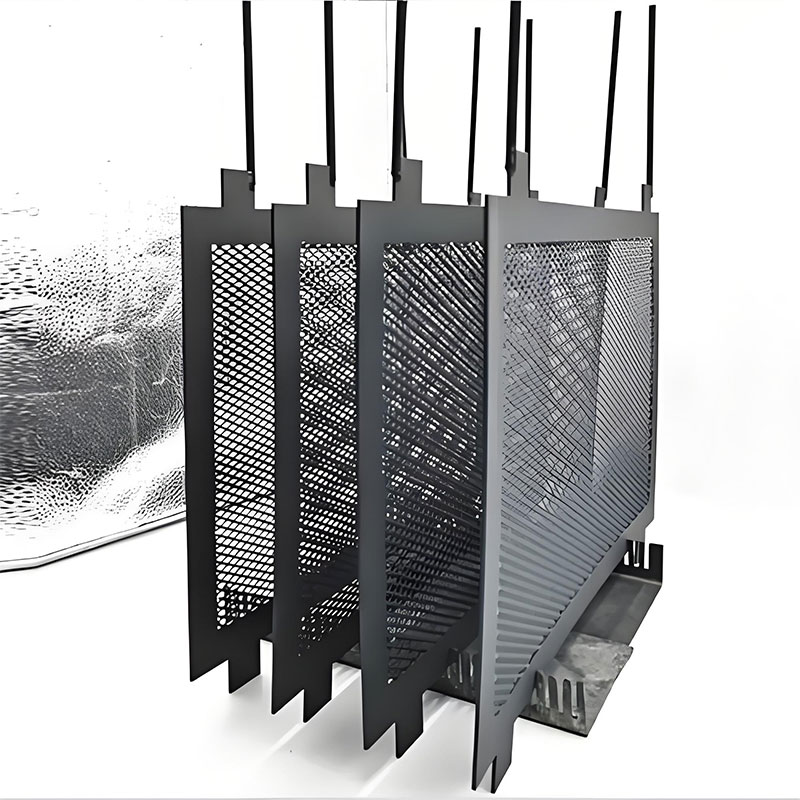
Titanium anodes serve as critical electrode materials in electrochemical water treatment systems. Thanks to their excellent electrical conductivity, corrosion resistance, and electrocatalytic activity, they are widely used in industrial wastewater treatment, electrolytic oxidation, disinfection, and the recovery of certain metals. Furthermore, as electrodes undergo long-term operation, experience coating degradation, or are replaced during equipment upgrades, spent titanium anodes have become an important source for the recovery of precious metals.
I. Basic Principles of Electrolytic Industrial Wastewater Treatment
Electrolytic water treatment utilizes an externally applied electric current to drive electrochemical reactions. Pollutants undergo direct redox reactions at the electrode surfaces or are transformed indirectly via active species generated by electrochemical processes, ultimately leading to the removal, degradation, or recovery of these pollutants.
Based on the reaction mechanism, electrolysis is categorized into two types: direct electrolysis and indirect electrolysis.
1. Direct Electrolysis
Direct electrolysis refers to the process where pollutants undergo redox reactions directly at the surface of the anode or cathode.
- Anodic Oxidation: Certain organic pollutants are oxidized at the anode surface, converting them into substances that are less toxic and more easily biodegradable. Under appropriate conditions, some organic compounds can even be fully mineralized.
- Cathodic Reduction: Certain pollutants undergo reduction at the cathode surface; this process can be used for the dehalogenation of specific halogenated organic compounds, as well as the reduction and recovery of certain metal ions.
The effectiveness of direct electrolysis depends on factors such as the nature of the pollutants, the electrode material, current density, electrolysis duration, and the overall composition of the wastewater.
2. Indirect Electrolysis
Indirect electrolysis involves the use of active species—generated through electrochemical reactions—to oxidize or reduce pollutants present in the wastewater. For example, under appropriate electrolytic conditions, the system can generate substances with oxidizing capabilities—such as hypochlorite or hydrogen peroxide—as well as reactive species like hydroxyl radicals, which facilitate the transformation of certain recalcitrant organic pollutants.
Indirect electrolysis can be applied to the treatment of specific types of organic wastewater, the pre-treatment of industrial wastewater, and disinfection processes. However, in practical operation, factors such as the formation of by-products, energy consumption, and downstream treatment requirements must also be considered.
II. Advantages of Titanium Anodes in Industrial Wastewater Treatment
Electrode materials directly influence the efficiency of electrochemical reactions, equipment stability, and operating costs. Titanium-based anodes coated with noble metal oxides—commonly referred to as Mixed Metal Oxide (MMO) anodes—are a standard type of electrode used in industrial electrolytic water treatment equipment.
Their primary advantages include:
- Excellent corrosion resistance: The titanium substrate exhibits high resistance to corrosion within suitable electrolytic environments.
- High electrocatalytic activity: By selecting specific coating systems, these anodes can be tailored to facilitate chlorine evolution, oxygen evolution, or other targeted electrochemical reactions.
- Good electrical conductivity: This ensures efficient current transfer and the stable progression of electrochemical reactions.
- Versatile structural forms: Depending on equipment requirements, they can be fabricated into various shapes, such as plates, meshes, rods, or wires.
- Potential for maintenance and recoating: In some cases, if the titanium substrate remains in good condition, the electrode can be professionally evaluated, reconditioned, and recoated for further use.
It should be noted that the performance of titanium anodes can vary depending on the specific wastewater environment. Factors such as the type of coating, operating current density, temperature, pH level, and the composition of pollutants all affect both the performance and the service life of the electrodes.
III. Common Forms of Titanium Anodes for Industrial Wastewater Treatment
To accommodate various electrolytic cell configurations and treatment processes, titanium anodes can be manufactured in several forms:
- Titanium electrode plates: Suitable for plate-type electrolytic cells and certain industrial water treatment systems.
- Titanium mesh electrodes: These offer a large effective surface area and are used in specific electrolytic oxidation and chlorine-generation systems. - Titanium rod electrodes: Suitable for certain tubular, columnar, or specialized electrochemical devices.
- Titanium wire electrodes: Can be used in electrode assemblies with specific structural configurations.
- Custom-designed titanium anodes: Engineered and manufactured according to client-provided specifications, including dimensions, coating systems, connection methods, and operational parameters.
The scope of application and service life vary by product; these should be determined based on actual operating conditions.
IV. Recovery Value of Spent Titanium Anodes
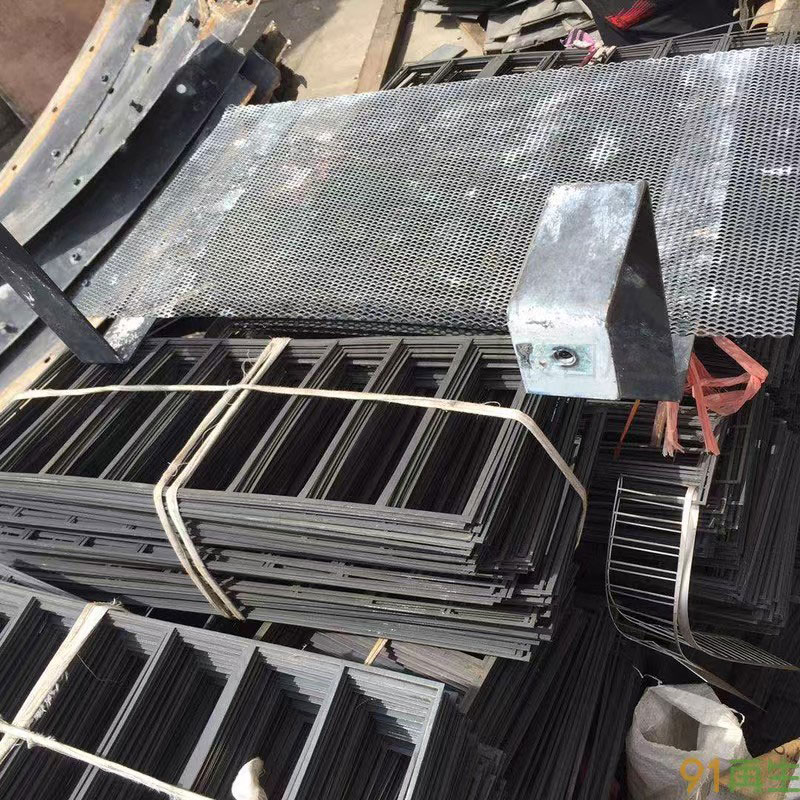
In processes such as industrial wastewater treatment, electrolytic chlorine production, and other electrochemical operations, titanium anodes may experience coating depletion, surface wear, localized peeling, or performance degradation over time. When an electrode can no longer meet the requirements of the specific process, it typically necessitates repair, replacement, or equipment upgrades.
Spent titanium anodes that have been removed from production may hold recovery value if their surfaces contain precious metals such as ruthenium, iridium, or platinum.
Common materials for recovery include:
- Ruthenium-based coated titanium anode scrap
- Iridium-based coated titanium anode scrap
- MMO (Mixed Metal Oxide) coated titanium mesh and plates
- Platinum-coated titanium mesh, plates, and other electrodes
- Platinum-iridium coated titanium electrodes
- Spent titanium anode assemblies removed from industrial electrolytic cells
The recovery value of spent electrodes depends not only on the total weight of the material but also on the type of precious metals present, the amount of residual coating, the proportion of the titanium substrate, the degree of surface contamination, and the results of actual laboratory analysis. Therefore, it is not advisable to estimate the recovery value based solely on appearance or the original purchase price.
V. J&F Precious Metal Recovery: Professional Recycling of Spent Titanium Anodes and Industrial Waste Containing Precious Metals
Dongguan J&F Precious Metal Trading Co., Ltd. specializes in the recovery of industrial waste containing precious metals. Our scope includes spent titanium anodes, ruthenium-iridium coated titanium mesh, iridium-based coated titanium plates, platinum-plated titanium electrodes, precious metal catalysts, and other industrial materials containing precious metals. For spent titanium anodes—generated by industrial wastewater treatment plants, manufacturers of electrolytic chlorine-production equipment, electroplating facilities, and other industrial users—we provide a comprehensive recovery solution. Our process begins with a preliminary assessment based on material type, substrate condition, residual coating, and available compositional data, which is then refined through actual laboratory testing. To streamline this evaluation, we recommend that clients provide—in advance—photographs of the materials, their quantity (or actual weight) and dimensions, their original application, and any existing composition analysis reports. For materials with unknown or mixed compositions, we can coordinate sampling, testing, and on-site inspections to accurately determine the recovery value of precious metals such as ruthenium, iridium, and platinum.
If you have spent MMO (mixed metal oxide) titanium anodes, ruthenium-iridium coated titanium meshes, platinum-coated titanium electrodes, or other electrolytic waste containing precious metals, please contact J&F Precious Metal Recovery. By providing photographs and basic details about your materials, you can receive a tailored recovery assessment.
Conclusion
Titanium anodes play a vital role in the electrochemical treatment of industrial wastewater, facilitating processes such as the redox-based oxidation of pollutants, disinfection, and other water treatment applications. As industrial equipment continues to operate and undergo upgrades, the systematic recovery of spent titanium anodes not only helps reduce the accumulation of waste materials but also promotes the circular use of precious metal resources. This supports enterprises in alleviating the burden of waste disposal while enhancing resource utilization efficiency.
